
Description
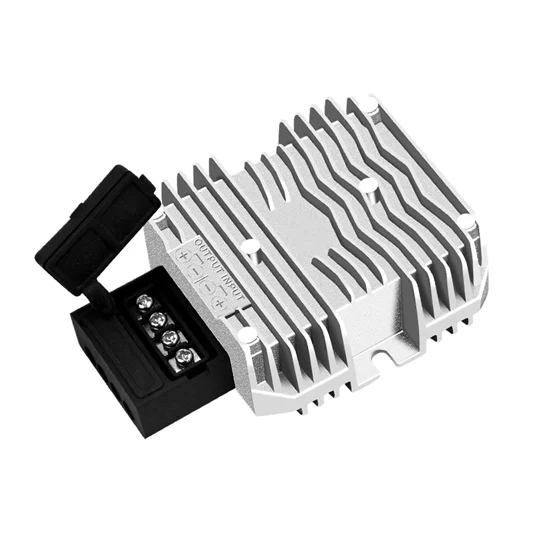
ATO isolated DC-DC converter with 24V rated input voltage, is a step down converter that uses a synchronous rectification technology, and features high efficiency and power density. It provides that rated output voltage of 12V and the maximum output current of 10A.
Features
- 100% full power, high stability output.
- Isolated DC-DC converter uses high-quality thermal conductive silicone potting, waterproof, dustproof, shockproof, with die-casting aluminum alloy shell, small size, and easy installation.
- Wide voltage input, built-in overcurrent, overvoltage, overtemperature, short circuit and other automatic protection functions.
- CE, RoHS certification, up to 100,000 hours of service life.
Isolated DC-DC Buck Converter Specification
| Model | ATOWGI10-24S12M (Click to view more specs) | |
| Input | Rated voltage | 24V |
| Voltage range | 18-36V | |
| Efficiency | 92% | |
| Output | Voltage | 12V |
| Max. rated current | 10A | |
| Max. rated power | 120W | |
| Voltage regulation | ±2% | |
| Load regulation | ±2% | |
| No load loss | 70mA | |
| Ripple & noise | 50mV | |
| Environment | Working temperature | -40 ~ +80℃ |
| Working humidity | 5% ~ 95%RH | |
| Storage temperature | -55 ~ +100℃ | |
| Function | Short circuit protection | NO |
| Over current protection | YES | |
| Waterproof | IP67 | |
| Over temperature protection | YES | |
| Over-voltage protection | YES | |
| Mechanical | Weight | 250g |
| Size | 74*74*29.5mm |
Dimensions (Unit: mm)
Tips: How to choose an isolated DC-DC converter?
Choosing an isolated DC-DC converter requires careful consideration of several key factors.
- Input and Output Voltage: Ensure the converter can handle your input voltage range and provide the desired output voltage.
- Power Rating: Select a converter with sufficient power capacity to meet your load requirements, considering efficiency.
- Isolation Voltage: Determine the required isolation level to protect sensitive components and ensure safety.
- Topology: Pick the appropriate converter topology (e.g., flyback, forward, or push-pull) based on your application’s specific needs, such as efficiency, cost, and size.
- Efficiency: Opt for a converter with high efficiency to minimize power losses and reduce the need for cooling.
- Operating Environment: Consider the temperature, humidity, and other environmental conditions where the converter will operate.
- Protection Features: Look for converters with built-in protections like over-current, over-voltage, and thermal shutdown.
- Size and Form Factor: Ensure the converter fits within the available space and is compatible with your layout.
- Cost and Reliability: Balance the cost with the desired reliability and quality.
- Regulatory Compliance: Verify that the converter meets safety and certification standards for your industry.
Taking these factors into account will help you choose the right isolated DC-DC converter for your application.
Reviews
There are no reviews yet.